Choosing an Organic Crib Mattress: A Practical Guide for Safe Baby Sleep
In the quiet hours of the night, a cradle of safety and comfort becomes the center of a family’s universe. For parents, guardians, and caregivers, selecting the right crib mattress is not a mere shopping decision—it is a pledge to a child’s well-being. This guide, informed by sleep science, material science, and certified assurance, helps you navigate the landscape of organic crib mattresses with clarity and confidence.
The market for infant sleep products has grown increasingly sophisticated, offering a spectrum of materials, certifications, and design features. Among these, organic crib mattresses stand out for their emphasis on non-toxic materials, breathable structures, and long-term safety. The focus here is practical: what to look for, how to assess claims, and how to align a mattress choice with your baby’s unique sleep needs.
Why organic matters in crib mattresses
Babies spend a significant portion of each day on their crib mattresses. During these formative months, their developing systems are more vulnerable to exposure from chemical treatments, flame retardants, and synthetic foams. Organic crib mattresses seek to minimize these exposures by using natural, certified materials and by avoiding synthetic foams and chemical finishes that off-gas at room temperature.
The Organic movement in textiles—spurred by certifications like GOTS (Global Organic Textile Standard) and GOLS (Global Organic Latex Standard)—conveys a level of trust about fiber origin, processing, and environmental impact. When you encounter a mattress labeled organic, you are looking at layers of verification that the core materials, outer fabrics, and finishes meet strict criteria for chemical content, ecological responsibility, and worker welfare. For caregivers, this translates into fewer unknowns and a smoother path to a safe sleep environment.
Key certifications to trust and what they guarantee
Certifications function as a language of safety and quality. In the crib mattress space, several standards carry weight:
- GOTS (Global Organic Textile Standard) guarantees organic status from the fiber level through the dyeing and finishing processes. It also imposes social and environmental criteria, emphasizing non-toxic chemistry and fair labor practices.
- GOLS (Global Organic Latex Standard) focuses on latex materials, ensuring organic latex and responsible manufacturing practices.
- OEKO-TEX is a broad safety standard that tests textiles for harmful substances, providing an additional layer of assurance even if a product carries organic certifications.
When a crib mattress carries these certifications, it signals a deliberate, transparent supply chain and a commitment to minimizing chemical exposure for infants. It is worth noting that a mattress labeled “organic” should be read in the context of its entire construction: core materials, encasements, protectors, and even the seal of environmental stewardship in the production process.
Core components to evaluate when comparing organic crib mattresses
A crib mattress is a layered object, and understanding its anatomy helps you compare products with confidence. Consider the following elements:
- Core materials — Common organic cores include natural Dunlop latex, coconut coir, and other natural fibers. Each offers different combinations of firmness, support, and moisture management.
- Firmness and support — For infants, a firm sleeping surface is recommended to reduce the risk of suffocation. The mattress should resist indentation under typical infant weight and movement.
- Moisture management — Breathable fabrics and moisture-wicking layers help regulate temperature and reduce moisture buildup, which can influence comfort and hygiene over time.
- Cover fabrics — A washable, natural, or low-emission cover improves cleanliness and ease of care, while contributing to a comfortable feel for soft baby skin.
- Ventilation and airflow — A mattress designed with perforations, vents, or breathable casing contributes to cooler nights and reduced humidity inside the sleep surface.
- Durability and warranty — A durable mattress, backed by a robust warranty, offers peace of mind as a child grows and as households go through cycles of cleanings and replacements.
The Obasan Organic Crib Mattress: a representative case study
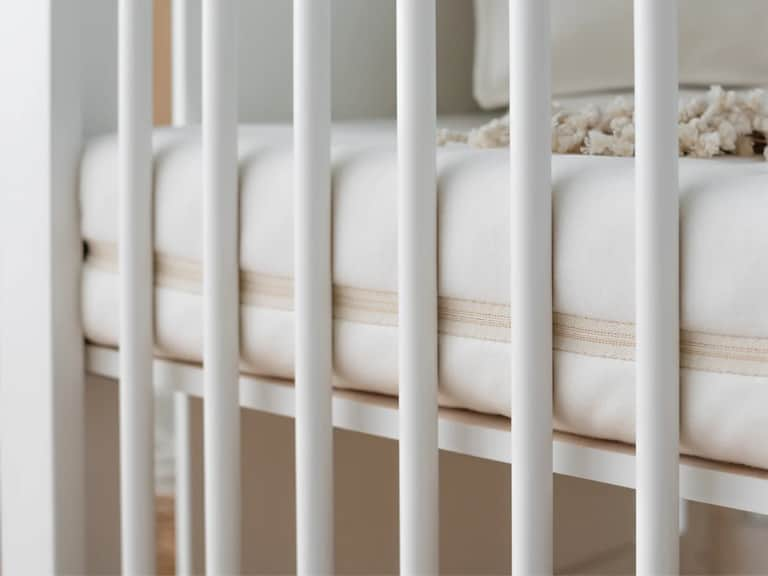
Among reputable brands, the Obasan Organic Crib Mattress is a standout example of how organic materials can be combined to deliver a safe and comfortable sleep surface for babies. The product profile includes GOTS- and GOLS-certified organic Dunlop latex, coconut husk, and cotton. Its design purposefully emphasizes moisture-wicking wool for temperature control, dual layers of organic materials for firm support, and a breathable cotton cover that supports hygienic, chemical-free sleep.
The mattress fits standard North American cribs (approximately 28" x 52" with a 4.5" thickness). It incorporates an all-natural fire barrier and a removable, spot-clean cover, aligning with stringent safety and maintenance expectations for infant sleep environments. Care instructions highlight a hands-on approach to keeping the mattress fresh without resorting to chemical cleaners or aggressive solvents.
A key feature of this model is its layered composition: an extra-firm organic Dunlop latex layer provides essential support, while a base of rubberized coconut fiber contributes to stability and durability. The inclusion of wool as a moisture-management layer is particularly notable, given wool’s natural properties—temperature regulation, moisture wicking, and a level of resilience that helps maintain a steady sleep climate.
Practical evaluation: how to compare Obasan against other organic crib mattresses
When evaluating crib mattresses in a real-world shopping scenario, caregivers can use a straightforward checklist:
- Certifications — Verify GOTS, GOLS, and OEKO-TEX certifications where applicable. Cross-check the claim with the certifications’ official registries or the brand’s documentation.
- Material transparency — Look for explicit disclosure of each core material and its origin. An open materials list reduces the risk of hidden synthetic content.
- Allergen and off-gassing considerations — Organic materials, natural latex, and wool tend to be less prone to releasing volatile organic compounds than synthetic foams, but confirm any adhesives or finishes used in the process.
- Moisture and temperature control — Wool layers and breathable covers contribute to stable microclimates. Consider the sleeping environment’s climate when choosing a mattress with specific moisture-management features.
- Fit and compatibility — Ensure the mattress dimensions align with your crib’s base and rails. This helps avoid gaps and ensures safe use with fitted sheets and protectors.
- Maintenance — Removability and cleanability of the cover matter for daily care and long-term hygiene, especially with infants who need frequent cleaning.
A practical buying guide: translating features into daily sleep safety
The core objective of choosing an organic crib mattress is to provide a safe sleep surface free from harmful chemicals while maintaining comfort and practicality for caregivers. In practice, this means prioritizing mattresses that:
- Employ natural, certified materials with transparent sourcing.
- Offer firm, supportive surfaces appropriate for infants.
- Provide breathable constructions that help regulate temperature and moisture.
- Include washable, non-toxic covers or easy-care encasements.
- Avoid synthetic foams and chemical flame retardants where possible.
- Come with reliable warranties and clear care instructions to encourage long-term use.
Safety considerations and best practices for infant sleep
Beyond the mattress itself, a safe sleep environment involves a range of practices designed to reduce the risk of suffocation, overheating, and other hazards. The American Academy of Pediatrics (AAP) and other pediatric safety authorities emphasize the following:
- Place babies on their backs for every sleep until they are well past the age of risk for SIDS (sudden infant death syndrome).
- Ensure the sleep surface is flat, firm, and free from soft bedding, pillows, and stuffed animals in the crib.
- Avoid heavy blankets and use wearable sleep clothing suitable for the room’s temperature.
- Keep the room at a comfortable temperature to avoid overheating.
Organic crib mattresses contribute to this safety framework by reducing chemical exposure and supporting a hygienic sleep surface. While no single product formulation guarantees safety in every circumstance, the combination of certified materials, robust construction, and caregiver diligence significantly enhances the likelihood of a restful, safe night for the youngest family members.
Product spotlight: Obasan Organic Crib Mattress
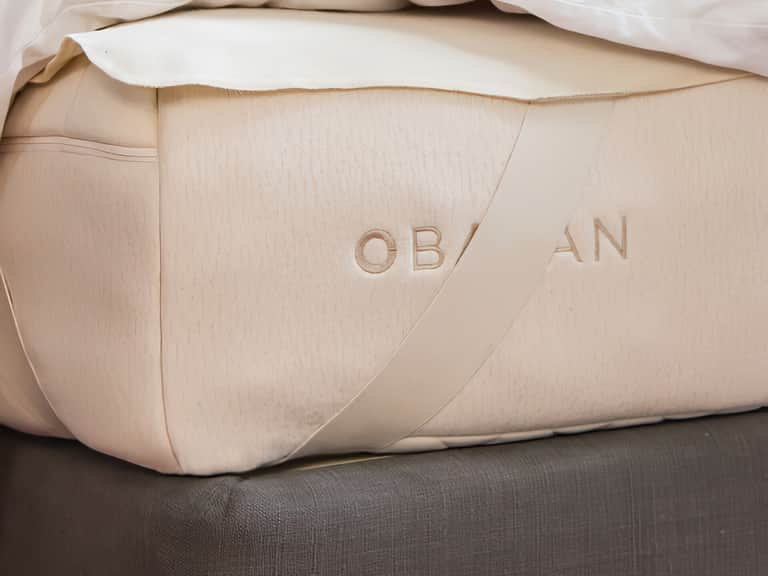
The Obasan Organic Crib Mattress embodies a holistic approach to infant sleep comfort. Its construction weaves together certified organic latex, coconut husk, and cotton into a mattress that is breathable, moisture-wicking, and free of synthetic foams. The design aligns with a philosophy of safety through transparency: a product whose materials and processing are described with clarity and respect for both child and environment.
For families seeking a balance of firmness, temperature control, and straightforward care, the Obasan model offers a compelling option. It is compatible with common crib bases and features a removable cover for spot cleaning. The warranty—ten years, a robust time horizon for a baby’s early years—adds further reassurance to caregivers who are evaluating long-term value.
Assessing value: cost, care, and longevity
A crib mattress represents a meaningful investment in a child’s health and comfort. When you compare price points, consider not just the sticker price but also:
- The durability of materials and the practicality of cleaning regimes.
- The breadth and credibility of the certifications behind the product.
- The extent of the warranty and what it covers (cover wear, core material integrity, etc.).
- How well the mattress maintains a clean, safe surface across repeated washings and day-to-day use.
Organic crib mattresses, such as Obasan’s offering, illustrate how a clear materials story—organic latex, natural fibers, breathable covers—can translate into tangible safety and daily practicality. This alignment of narrative and function helps families feel confident about their choice, not merely informed about it.
Conclusion: toward a calmer, safer nursery environment
The path to selecting an organic crib mattress is a careful one, guided by certifications, material transparency, and a steadfast commitment to infant safety. In an era when information is abundant but discernment is essential, caregivers can rise to the challenge by grounding decisions in reputable standards and practical evaluation. An organic crib mattress is not a panacea, but it is a thoughtful step toward a quieter, calmer nursery where a baby’s sleep can unfold with the dignity of a well-supported, non-toxic environment.
Product you can consider on this site
Obasan Organic Crib Mattress — a model that aligns with the criteria outlined above: certified organic materials, breathable and moisture-wicking construction, and a design that supports safe, long-term use. If you are exploring options, this mattress stands as a practical reference point for evaluating similar products.
For further details about this product, you can explore its listing and specs in the shop section, where you’ll find comprehensive material disclosures, care instructions, and warranty information.
Obasan Organic Crib Mattress
SKU: OBASAN-CRIB-MATTRESS
A natural, chemical-free sleep surface crafted in Canada with certified organic Dunlop latex, coconut husk, and cotton.
Core: Organic Dunlop latex, coconut husk
Care and Coverage
10-year limited warranty
Removable cover for spot cleaning; breathable, moisture-wicking layers for temperature control.
Fits standard North American cribs; certifications highlighted in product details.