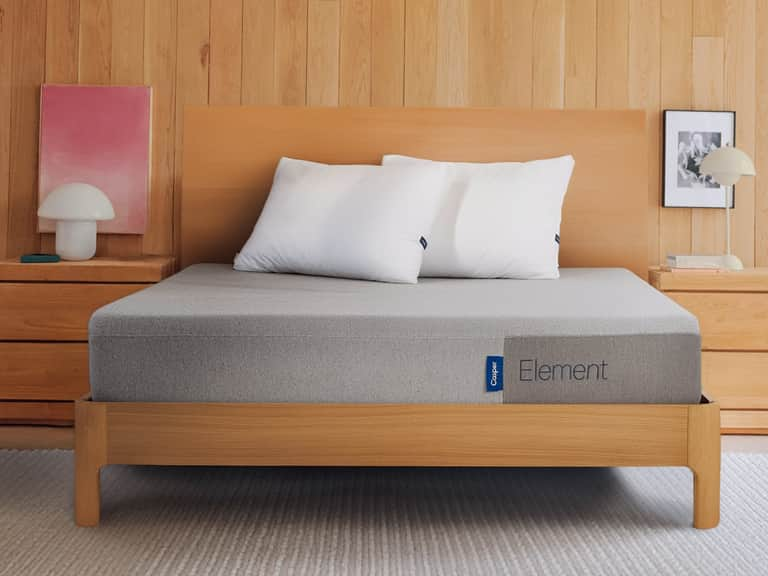
Foam mattresses use layered materials to provide cushioning, support, and pressure distribution during sleep. Their adaptable surfaces can suit different sleep positions and comfort preferences, while foam construction often reduces movement transfer between sleeping partners. Understanding firmness, thickness, and material composition helps explain how a mattress may fit into a broader bedding setup.
The Original Mattress is a foam mattress designed to balance contouring comfort with supportive feel. Its foam layers respond to body pressure, helping cushion common contact areas such as the shoulders and hips. This combination can support comfortable sleep for people seeking a versatile mattress for everyday use.
The Element Mattress is another foam option, with a straightforward design focused on comfort and dependable support. Its layered construction helps distribute weight across the sleep surface and may limit the sensation of a partner’s movement. These functional qualities make it relevant for bedrooms where ease of use and consistent support are priorities.
When comparing foam mattresses, consider firmness, sleeping position, body weight, temperature preferences, and how readily the surface responds to movement. Mattress protectors, fitted sheets, and compatible pillows can also affect comfort and fit. These bedding details are useful when evaluating a complete sleep setup, rather than considering the mattress in isolation.
Foam mattresses are distinct from organic mattresses, which are identified by their materials and production standards; organic crib mattresses are designed for infant sleep environments and require age-appropriate safety considerations. Comparing materials and intended use helps clarify category differences. The Original Mattress and Element Mattress are adult foam options, not substitutes for specialized crib bedding.
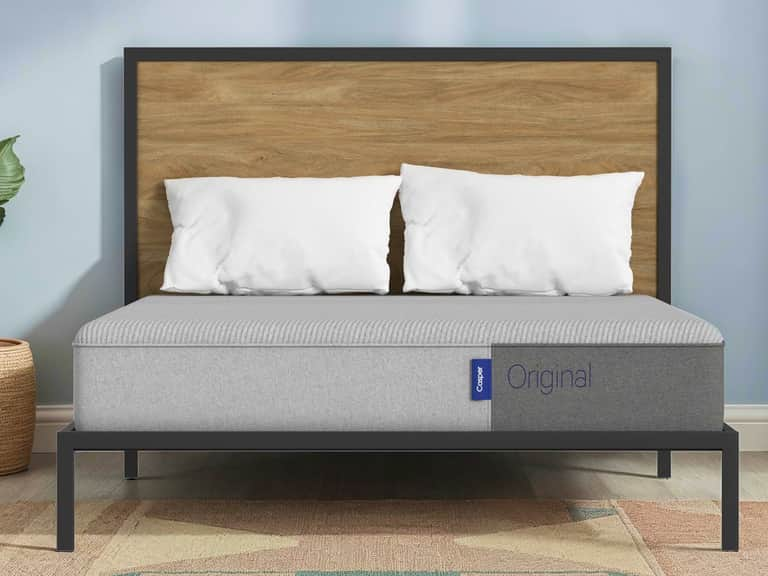 Mattresses