Wool is a natural fiber used in bedding for its softness, resilience, and ability to help regulate temperature. Its crimped structure traps insulating air while allowing heat and moisture to move, supporting a more balanced sleep environment across changing seasons. These qualities make wool relevant to pillows, mattress layers, and other sleep products.
In bedding, wool fibers can absorb moisture vapor without feeling immediately damp, which may help reduce clamminess during sleep. Wool also tends to spring back after compression, contributing cushioning and loft in suitable products. Care needs vary by construction, so product labels should guide washing, airing, and other maintenance practices.
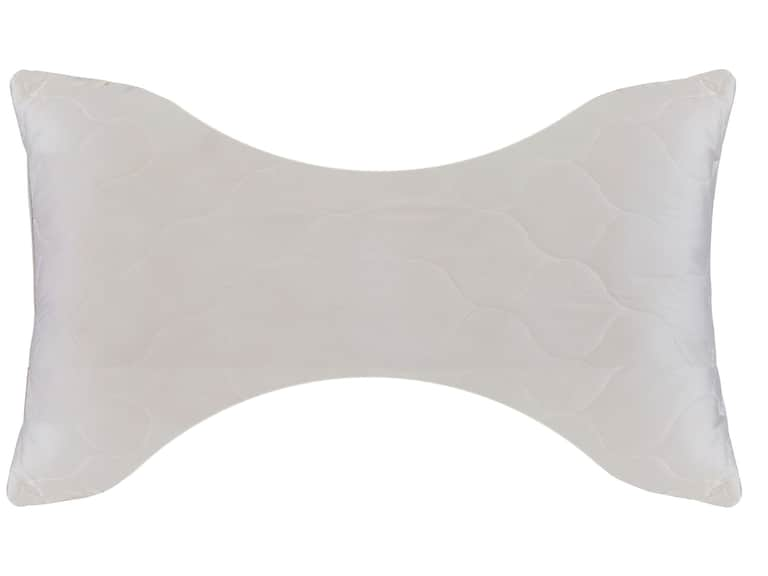
Sleep and Beyond myDual Side Pillow is a wool-category example with a dual-sided design intended to provide distinct sleep surfaces. Its combination of natural materials offers different feel and support characteristics on each side, letting sleepers choose the surface that better suits their comfort preferences. Pillow construction and fill affect loft and firmness.
When evaluating wool pillows, consider fill composition, cover fabric, dimensions, and whether the design allows adjustment or offers multiple surfaces. These details influence support for different sleep positions and how the pillow feels under the head and neck. Wool bedding can complement sheets and organic mattresses, including organic crib mattresses, when materials and care needs align.
Wool products may be useful for people seeking natural-fiber bedding with temperature and moisture management properties. Performance depends on fiber quality, filling density, layering, and room conditions; wool does not replace appropriate sleep-surface support. For infants, select products specifically designed for crib use and follow current safe-sleep guidance rather than adapting adult pillows or bedding.
 Bedding